Healthcare Professional Embroidery File Review
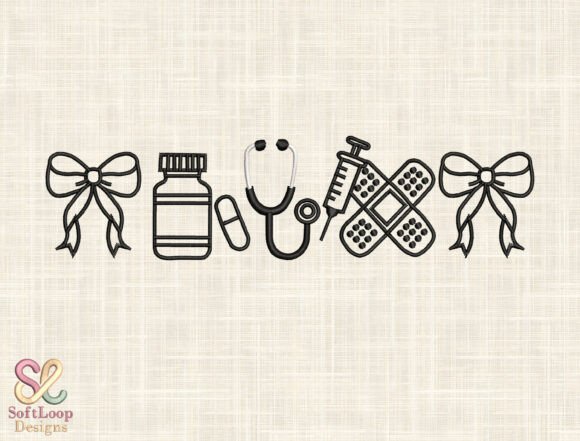
As I set up my booth for the upcoming weekend craft fair, the table is a chaotic mix of fabrics, hoops, and half-finished samples. My goal is simple: create a display that stops people in their tracks. Today, I am putting the Healthcare Professional Embroidery File to the test. This isn't just another generic medical design; it promises to blend the viral "coquette aesthetic" with essential healthcare tools. The description highlights a fusion of feminine charm, bows, and stethoscopes, which immediately signals a shift from traditional, sterile medical gear to something trendy and personal. Before I commit hours of machine time to this digital embroidery file, I need to know if it translates well from screen to fabric and, more importantly, if it will sell.
First Impressions: Aesthetic and Market Fit
When I first loaded the NURSE Coquette Bow Icons Embroidery Design onto my machine's preview screen, the visual impact was immediate. It feels soft, decorative, and undeniably modern. Unlike the bold, block-letter designs often seen on hospital scrubs, this design leans into the current social media trend of the coquette style—think ribbons, hearts, and delicate details. For the Etsy seller or boutique maker targeting young nurses, medical students, or gift buyers, this is a goldmine. It moves beyond the functional category of Work apparel and enters the realm of lifestyle fashion. The combination of the stethoscope icon with a bow creates an emotional connection, suggesting that nursing is not just a job, but a calling wrapped in love and care.
The design assets here are versatile. They work as a small accent on a cap or a larger focal point on a tote bag. However, the success of this machine embroidery design relies heavily on execution. If the stitch density is too high, the delicate bow might look muddy. If the thread colors clash with the fabric, the "feminine charm" could be lost. As I prepare my samples, I am focusing on how this specific embroidery file elevates the perceived value of a standard handmade product.
Product Applications: Where Does It Shine?
To determine the best craft fair product for this design, I have tested it across several mediums. The results vary significantly based on the fabric texture and the size of the hoop used.
- Tote Bag Design: This is arguably the strongest application. Placing the Healthcare Professional Embroidery File on a canvas tote bag allows the bow and stethoscope icons to breathe. The sturdy fabric supports the stitch density well, and the large surface area makes the design visible from a distance at a busy market. It transforms a utility item into a statement piece.
- Apron Embroidery: For the working nurse who wants style in the break room, this design on a linen apron is stunning. The rustic texture of the linen complements the soft curves of the coquette aesthetic. However, one must ensure the placement is centered and away from areas that get heavy wear or washing.
- Tea Towel Embroidery: While charming, towels present a challenge. The looped texture of terry cloth can sometimes obscure tiny details. If using this design on a tea towel, I recommend using a tear-away stabilizer and perhaps simplifying the smallest elements to ensure clarity after multiple washes.
- Embroidered Patch: Creating patches from this design is a brilliant strategy for variety. Patches allow customers to add the design to denim jackets, backpacks, or hats later. It reduces the risk of sizing issues and offers a lower price point entry for new customers.
- Caps and Pouches: On curved surfaces like caps, the bow detail needs careful hooping to prevent puckering. Small fabric pouches are excellent for holding pens or makeup, making them perfect giftable items for graduation parties or holidays.
Production Realities: Density, Stabilizers, and Testing
Before mass-producing these items for my booth, I always run a test on scrap fabric. The Healthcare Professional Embroidery File contains intricate curves where the bow meets the stethoscope. In my initial test, I noticed that the stitch density in the center of the bow was quite tight. Without the right stabilizer, the fabric pulled, distorting the shape. I switched to a cut-away stabilizer for the tote bags and a heavier tear-away for the patches, which solved the issue.
Thread contrast is another critical factor. The description mentions adding "feminine charm," which usually implies pastels or pinks. When I placed this design on a dark navy tote bag, the pink thread stood out beautifully, creating a premium look. However, on a light gray background, the same thread lacked punch. For commercial embroidery, you must offer a range of fabric colors or adjust the thread palette to maintain visual appeal. Always check your thread colors against the final fabric before committing to a batch.
One major consideration is the hoop size. This design is detailed, meaning it likely requires a medium-sized hoop to capture all the nuances without crowding. If you attempt to shrink this design for a very small patch, the tiny details of the bow may disappear, leaving a blob of thread. Always review the minimum recommended size in the file specifications to avoid wasting thread and time.
Selling Strategy: Visual Appeal and Customer Engagement
In a crowded craft fair environment, your display must communicate quality instantly. The Healthcare Professional Embroidery File excels here because it taps into a specific cultural moment. Customers recognize the "coquette" vibe immediately. To maximize sales, I am arranging my finished products to tell a story. A stack of embroidered tote bags next to a matching apron creates a cohesive brand image. This consistency builds trust and encourages higher spending per customer.
For online sales, particularly for the Etsy seller, photography is key. The soft, rounded lines of the bow photograph well in natural light. I am creating printable mockups that show the design on various backgrounds to help customers visualize the product in their own lives. These mockups serve as vital design assets for listing optimization. When a buyer sees the design on a realistic photo rather than a flat digital rendering, the perceived value of the finished product increases significantly.
This design also works exceptionally well as a small shop product for custom orders. Nurses often look for personalized gifts for colleagues. Offering this design with options for name customization (if the file allows) or color variations can turn a single sale into a recurring revenue stream for your business.
Final Designer Notes and Checklist
Before you purchase or produce this digital embroidery file, consider these practical steps to ensure success:
- Test Stitching: Always run a sample on the exact fabric you intend to sell. Check for puckering, especially around the bow loops.
- Verify Licensing: Confirm that the license covers commercial embroidery for selling finished goods. Do not assume a personal license allows you to sell items at a craft fair.
- Check Details: Inspect the smallest elements under magnification. If the text or icons are too thin, they may break during stitching.
- Fabric Choice: Stick to fabrics with low texture for the cleanest look, or use heavy stabilizers for textured items like towels.
- Mockup Creation: Invest time in creating high-quality photos of the real product. This is what converts browsers into buyers.
The Healthcare Professional Embroidery File represents a smart pivot in the market. It respects the profession while embracing current trends. By paying attention to production details like stabilizer choice, thread contrast, and proper sizing, you can turn this design into a standout handmade product that resonates with buyers looking for something unique, meaningful, and stylish.