Headphone Heartbeat Design Embroidery Review
As a professional embroidery designer who has spent years translating digital concepts into tangible thread on fabric, I approach every new machine embroidery design with a critical eye. The goal is never just to make something look pretty; it is to ensure the design holds up under commercial pressure, maintains brand integrity, and translates well across various merchandise types. Today, I am reviewing the Headphone Heartbeat Design Embroidery, a concept that promises to let your passion for music skip a beat. For small business owners, apparel decorators, and Etsy sellers looking to expand their catalog with small business merch, this review will determine if this specific embroidery file is a viable asset for your production line.
First Impressions: Visual Personality and Brand Fit
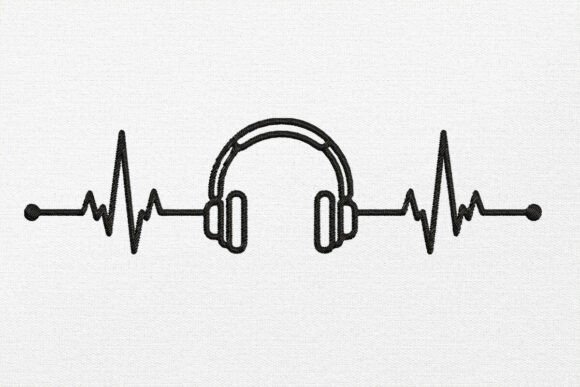
At first glance, the Headphone Heartbeat Design Embroidery strikes a balance between modern sleekness and emotional connection. The fusion of audio equipment with a vital life sign creates an immediate narrative. It feels less like a generic decorative motif and more like a statement piece suitable for a creative studio, a boutique record shop, or a lifestyle brand targeting audiophiles. The visual weight suggests a design that is bold enough to stand alone as a logo but detailed enough to serve as a sophisticated accent on custom apparel.
For a business owner, the "sleek" description in the product details is promising. In the world of commercial embroidery, clean lines are essential for scalability. A design that relies too heavily on intricate gradients often fails when stitched onto textured fabrics. However, the concept of headphones combined with a heartbeat implies distinct shapes—curves for the earcups and a rhythmic line for the pulse. This structural clarity is a positive indicator for production. It suggests the design could work effectively as a chest logo accent on staff uniforms or as a primary mark on a tote bag design without losing its identity.
Evaluating Real-World Business Applications
The true test of any digital embroidery file is how it performs in real-world scenarios. Let's imagine a local café that doubles as a vinyl listening bar, or a handmade jewelry brand that wants to package their goods in branded cloth bags. How does the Headphone Heartbeat Design Embroidery fit into these ecosystems?
- Embroidered Patches: This design is a strong candidate for creating high-quality embroidered patches. Patches offer versatility; they can be sewn onto denim jackets, backpacks, or hats. The distinct silhouette of the headphones ensures the patch remains recognizable even at smaller scales, provided the stitch count is managed correctly.
- Staff Uniforms and Aprons: For a music-themed event space or a boutique, apron embroidery featuring this design adds a layer of professionalism and thematic consistency. Placing a smaller version on the upper left chest of a black apron creates a subtle yet effective branding moment.
- Cap Embroidery: Cap embroidery presents unique challenges due to the curved surface. The Headphone Heartbeat Design Embroidery appears robust enough to handle the curvature of a six-panel cap front, especially if the design is centered and not overly wide.
- Event Merchandise: For DJs or music festivals, this design serves as excellent event merch. It moves beyond standard screen-printed t-shirts, offering a premium feel that enhances the perceived value of the finished product.
Critical Considerations for Production
While the concept is sound, every experienced designer knows that execution is where projects succeed or fail. There are specific areas where the Headphone Heartbeat Design Embroidery requires careful handling to avoid common pitfalls in commercial embroidery.
Stitch Density and Fabric Texture
One of the primary concerns with designs featuring both solid shapes (headphones) and fine lines (heartbeat) is stitch density. If the density is too high in the headphone area, the fabric may pucker, especially on lightweight materials like cotton tees or tote bags. Conversely, if the heartbeat line is too thin, it might break during stitching or become invisible on dark uniforms. I strongly advise testing the design on a swatch of the intended fabric texture before committing to a full run. Using the correct stabilizer is non-negotiable here; a cut-away stabilizer is likely necessary for stretchy knits to maintain the design's shape over time.
Scalability and Hoop Size
Before purchasing or using this embroidery file, you must confirm the required hoop size. Some designs look great digitally but require a hoop larger than what most home machines or even some industrial setups can accommodate. Additionally, if you plan to use this as a tiny detail on a cuff or a small label, check if the design scales down without losing the definition of the heartbeat line. Tiny lettering or extremely fine details often get lost in the needlework, turning a crisp design into a muddy blob.
Thread Color Contrast
The choice of thread colors will drastically alter the impact of the Headphone Heartbeat Design Embroidery. On a dark navy uniform, a silver or white thread will make the design pop, reinforcing a premium aesthetic. However, on a light beige tote bag, you might need a darker contrast to ensure visibility. Always create a printable mockup with different color combinations to present to clients or stakeholders for approval before cutting thread.
Impact on Brand Identity and Customer Trust
In the competitive landscape of handmade brands and Etsy sellers, the quality of your design assets directly correlates with customer trust. A poorly executed embroidery job signals low effort and cheap materials. Conversely, a well-stitched Headphone Heartbeat Design Embroidery communicates attention to detail and a commitment to quality.
This design has the potential to elevate a brand's identity from generic to curated. When a customer receives a tote bag or a patch with this emblem, they aren't just getting a product; they are buying into a culture of music and passion. This emotional connection fosters loyalty. Furthermore, consistent use of this design across various items—from product packaging accents to staff wear—creates visual consistency that makes your brand instantly recognizable.
Designer's Checklist Before Production
Before you integrate the Headphone Heartbeat Design Embroidery into your business workflow, follow this practical checklist to ensure a smooth production process:
- Test in Black and White: Run a test stitch in a single color to evaluate the underlying structure and stitch flow without the distraction of color changes.
- Verify Licensing: Confirm the commercial licensing terms. Ensure you have the right to use this machine embroidery design for unlimited products if you plan to sell the finished goods.
- Check File Formats: Ensure the embroidery file is compatible with your specific machine software to prevent digitization errors.
- Inspect Spacing: Look for areas where stitches might overlap too closely, which can cause thread breaks or fabric distortion.
- Compare Assets: Place the design next to other elements in your brand kit to ensure it complements your existing typography and logos.
- Client Approval: Create a realistic printable mockup showing the design on the actual garment or item for final client sign-off.
The Headphone Heartbeat Design Embroidery offers a compelling opportunity for businesses in the Music and creative sectors to add a tactile, high-value element to their offerings. By approaching the design with a strategic mindset regarding stitch density, material selection, and brand alignment, you can transform this digital file into a cornerstone of your merchandise line. Whether for a small batch of custom caps or a large order of branded patches, the key lies in meticulous preparation and a deep understanding of how thread interacts with fabric. With the right execution, this design can indeed make your brand's passion skip a beat in the best way possible.