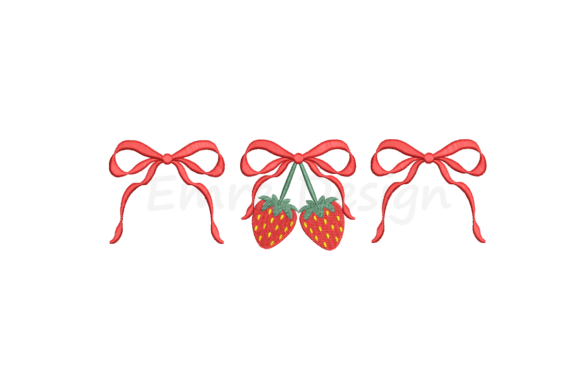
Coquette Cherry Bow Embroidery Design Review
As a designer who has spent years testing machine embroidery designs for both personal projects and client orders, I know that a pretty thumbnail does not always translate to a flawless stitch-out. When I first opened the Coquette Cherry Bow Embroidery Design, I was immediately struck by its whimsical charm. It captures that specific aesthetic trend perfectly: soft, feminine, and undeniably cute. However, before I commit this file to my inventory or use it on a high-value custom order, I need to look past the marketing fluff and evaluate how it actually performs in the hoop.
This design feels like a natural fit for the Summer season, evoking images of picnic blankets, fresh fruit baskets, and light linen fabrics. But as a small business owner, my primary concern is whether the intricate details of the bow and the cherries will hold up under real-world conditions. Will the satin stitches on the ribbon curl? Will the fill stitches on the cherries pull through thin cotton? These are the questions I ask myself before I ever thread my needle.
First Impressions: Aesthetic and Mood
The visual personality of the Coquette Cherry Bow Embroidery Design is playful yet polished. The composition balances the roundness of the cherries with the structured folds of the bow, creating a focal point that draws the eye immediately. In a digital preview, it looks crisp, but the true test lies in the transition from screen to fabric. The design suggests a moderate level of detail, which means it requires careful attention to thread colors and fabric texture to avoid looking muddy or overworked.
For an Etsy seller or a boutique owner, this type of design asset is gold. It screams "personalized gift" and "handmade product." I can already envision it on a cream-colored tote bag or a pastel sweatshirt, instantly elevating a basic item into something customers would stop to admire. The mood it creates is one of nostalgia and joy, making it an excellent candidate for baby embroidery, nursery decor, or even holiday gifts where a touch of sweetness is needed.
Real-World Application: From Tote Bags to Apparel
Let's talk about a specific scenario. Imagine I am preparing a batch of custom embroidered tote bags for a local craft fair. I choose a sturdy canvas material because it holds structure well. As I load the Coquette Cherry Bow Embroidery Design into my machine, I am thinking about placement. This design works best when given some breathing room; crowding it against a hemline might cause the bow tails to look awkward.
On a sweatshirt, the story changes slightly. Fleece has a nap, and if the stitch density is too low, the loops of the fabric might show through the fill stitch, ruining the clean look of the cherries. Conversely, if the density is too high, the heavy stitching could pucker the knit fabric, making the finished product uncomfortable to wear. This is why I always advocate for a test run on scrap fabric that matches your final project material. For this particular design, I would likely opt for a medium-weight stabilizer to ensure the satin stitches on the bow remain smooth and glossy without sinking into the fibers.
For those selling commercial embroidery services, this design offers versatility. It can be scaled down for a small patch or kept larger for a statement piece on a pillow cover. However, scaling is where many designers make mistakes. If you shrink the Coquette Cherry Bow Embroidery Design too much, the definition between the cherry stem and the leaf might get lost, resulting in a blurry spot on your finished product. Always check the minimum recommended size in your software before committing to a small cap or a baby onesie.
Navigating Fabric Challenges
Not every fabric plays nice with every design. While the description mentions towels and home decor, I would exercise caution with highly textured items like thick terrycloth. The uneven surface can cause the needle to miss stitches or break threads, especially in the delicate areas of the bow. Similarly, on dark fabrics, the contrast becomes critical. If the design relies on white thread for highlights, it needs a strong backing to prevent shadowing from the dark fabric showing through the lighter fill stitches.
Stretchy fabrics present another challenge. On a fitted tank top or leggings, the movement of the fabric can distort the shape of the bow after a few washes. In these cases, using a cut-away stabilizer instead of tear-away is essential to maintain the integrity of the embroidery file over time. The goal is to create a durable, professional-looking piece that survives the washing machine just as well as it looked coming out of the hoop.
Practical Designer Notes for Success
If you decide to incorporate the Coquette Cherry Bow Embroidery Design into your craft business, here are my practical recommendations based on experience:
- Test on Scrap First: Never skip the test stitch. Use a swatch of the exact fabric you plan to sell. Check for puckering, thread breaks, and color accuracy.
- Review Stitch Density: Inspect the fill stitch areas closely. If they look too open, increase the density slightly in your software. If they look stiff, reduce it to allow the fabric to drape naturally.
- Confirm Hoop Size: Ensure your hoop accommodates the full design without cutting off the ends of the bow. A cropped design looks unprofessional and cheapens the perceived value of your handmade product.
- Check Thread Colors: The magic of this design often lies in the shading of the cherries and the sheen of the bow. Choose high-quality polyester or rayon threads that offer vibrant color payoff and resistance to fading.
- Licensing Matters: Before listing items made with this design on Etsy or other platforms, confirm the licensing terms. Does the purchase allow for commercial use? Can you sell the physical item, or only the digital file? Protect your business by understanding the rules.
- Mockups Are Key: Create printable mockups or digital previews to show potential customers how the design looks on different products. This builds trust and helps buyers visualize the final result.
Final Verdict on Value and Appeal
The Coquette Cherry Bow Embroidery Design is a strong contender for any creative entrepreneur looking to add a touch of seasonal flair to their catalog. Its ability to transform simple textiles into personalized, high-value items makes it a worthy addition to your library of design assets. Whether you are creating a unique wedding gift, stocking a boutique with summer apparel, or fulfilling a custom order for a friend, this design brings a level of professionalism and charm that resonates with buyers.
However, remember that the quality of your finished product depends heavily on your execution. A great embroidery file is only half the battle; the other half is your skill in selecting the right stabilizer, adjusting tension, and choosing compatible fabrics. By treating this design with the care it deserves—testing thoroughly and respecting the limitations of your materials—you can create stunning pieces that stand out in a crowded market.
Ultimately, this design succeeds because it taps into a universal love for cute, detailed aesthetics. When executed correctly, it doesn't just sit on a garment; it tells a story. It invites the viewer to smile, to imagine a summer day, and to appreciate the handcrafted effort behind it. For designers willing to put in the work to perfect the stitch-out, the Coquette Cherry Bow Embroidery Design is a reliable tool for building a brand that feels both authentic and delightful.