Burger Embroidery Design: A Real-World Review
As a designer who has spent years testing patterns for both personal craft projects and commercial production, I approach every new machine embroidery design with a critical eye. The market is flooded with generic clipart converted into stitches, but finding a Burger Embroidery Design that actually translates well from the screen to the fabric is a specific challenge. Today, I am putting this particular fast-food themed pattern through its paces to see if it holds up under the pressure of real-world application.
The First Impression: Visual Weight and Mood
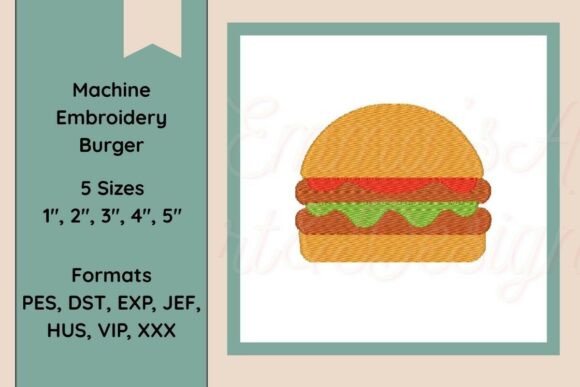
When I first loaded the Burger Machine Embroidery Design into my digitizing software, the immediate impression was one of playful nostalgia. This isn't a photorealistic attempt at a gourmet meal; rather, it leans into the fun, slightly exaggerated aesthetic of classic diner art. The shape is compact and balanced, which is crucial for placement on smaller items like caps or tote bags. The layout relies heavily on filled stitch areas to create the bulk of the bun and patty layers, giving it a substantial look without becoming overly dense.
The visual personality here is distinct. It feels like a badge of honor for food lovers or a whimsical accent for a kitchen-themed boutique. However, the true test of any embroidery file is not how it looks in a preview window, but how the thread interacts with the fabric texture once stitched. Does the fill stitch lay flat? Are the edges defined enough to prevent fraying over time? These are the questions I ask before committing to a client project.
Testing the Stitches: From Screen to Fabric
To evaluate the practical utility of this embroidery file, I set up a test run on a mid-weight cotton canvas, simulating a custom tote bag design. This is a common use case for small shop owners and Etsy sellers looking to add branded merchandise to their inventory. The stitching process revealed that the density is well-calibrated. There were no signs of puckering, even in the center where the burger patty meets the lettuce layer. This suggests that the stitch density is appropriate for standard stabilizers, making it forgiving for hobbyists who might not be experts in hooping techniques.
I also examined the transition between the different elements. The use of running stitch for outlines adds a nice hand-drawn feel, while the satin stitch accents on the sesame seeds provide just enough sheen to catch the light without overwhelming the matte fill of the bun. For a custom apparel item like a sweatshirt, this balance is essential. Too much satin can crack on stretchy fabric, but too little definition makes the design look muddy from a distance. This Burger Embroidery Design strikes a reasonable middle ground, ensuring the finished product looks professional even after several washes.
Ideal Applications for Your Craft Business
Where does this design truly shine? Based on my testing, the Burger Embroidery Design is exceptionally versatile for a range of handmade products. It works beautifully as an embroidered patch that can be sewn onto denim jackets or backpacks. The compact nature of the motif means it doesn't dominate the garment but acts as a charming focal point. For those creating baby embroidery items, such as bibs or onesies, the bright, recognizable shape appeals to parents and children alike, provided the thread colors are soft and safe.
In the realm of home decor, this pattern fits perfectly on kitchen towels, aprons, and pillow covers. Imagine a set of tea towels featuring this design in a monochromatic color scheme; it elevates a simple household item into a piece of handmade product art. For the Etsy seller or creative entrepreneur, this design offers a quick win for holiday gifts or seasonal promotions. A personalized gift with a burger motif can be a hit for BBQ enthusiasts or anyone celebrating a "foodie" milestone. The design's simplicity allows it to blend into various brand aesthetics, from rustic farmhouse to modern urban chic.
Navigating Challenges: Where Caution Is Needed
While the Burger Embroidery Design performs well in many scenarios, there are specific situations where you must exercise caution. If you plan to use this on very thin fabrics like silk or chiffon, the heavy fill stitch could cause significant distortion. In these cases, using a water-soluble stabilizer or applying the design as an applique design technique would be necessary to maintain the integrity of the fabric.
Similarly, when working with dark fabrics, the contrast becomes a critical factor. The default thread colors often assume a light background. To make the burger pop on black or navy material, you will need to adjust the thread colors manually. Without high contrast, the details of the lettuce and pickles may get lost, reducing the visual appeal of the finished product. Additionally, if you are considering this for curved surfaces like baseball caps, ensure your hoop size accommodates the curve without stretching the fabric unevenly, which can warp the circular shape of the burger.
Practical Designer Notes for Success
- Always Test First: Before running a batch for a commercial embroidery order, stitch out the design on scrap fabric identical to your final material. Check for tension issues and thread breaks.
- Stabilizer Matters: Do not skip the stabilizer. Even though this design seems simple, the fill stitch requires a solid base to prevent the fabric from pulling inward.
- Color Strategy: Experiment with digital embroidery file settings to swap colors. Try earth tones for a rustic look or neon shades for a pop-art vibe to match your brand consistency.
- Licensing Check: If you intend to sell the physical items created with this design, confirm the licensing terms. Some files allow for small shop product sales, while others restrict commercial use entirely.
- Maintain Detail: Inspect the small details like the sesame seeds after stitching. If they appear too large or blobby, consider resizing the design slightly larger to preserve clarity.
Final Verdict on Value and Versatility
In conclusion, the Burger Embroidery Design is a solid addition to any digital asset library for designers and makers. It avoids the trap of being overly complicated while still offering enough detail to look premium. Whether you are decorating a sweatshirt embroidery for a local event, creating holiday embroidery gifts, or stocking up your online store with unique tote bag designs, this pattern delivers consistent results.
It bridges the gap between a quick hobby project and a professional-grade embroidery project. By paying attention to fabric choice, stabilizer use, and color contrast, you can ensure that the final result enhances customer trust and buyer engagement. For anyone looking to inject a bit of fun and flavor into their textile work, this fast-food inspired motif is a reliable and engaging choice. Just remember to verify the technical specs and licensing before you start selling, and you'll have a winning product in your portfolio.