Apple Tree Embroidery Design Review for Craft Fairs
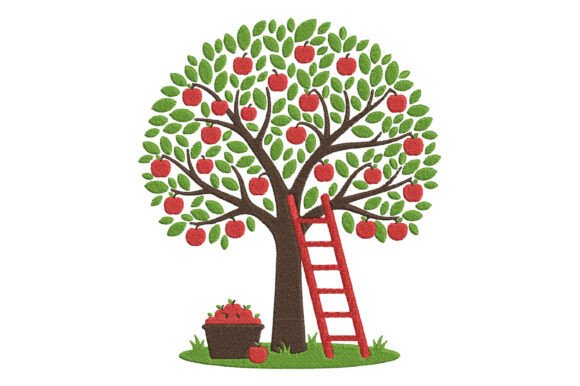
As an experienced embroidery designer preparing my booth for the upcoming weekend craft fair, I am constantly evaluating which machine embroidery design assets will translate into best-sellers. Today, I am putting the Apple Tree Embroidery Design under the microscope. With a description promising a fresh and charming touch featuring a detailed tree with ripe apples, this pattern aims to bring a natural orchard-inspired look to any project. But does it hold up when moved from a digital screen to a physical product that needs to catch a customer's eye in a crowded market?
First Impressions: Farmhouse Charm Meets Modern Detail
At first glance, the Apple Tree Embroidery Design exudes a rustic yet polished aesthetic. It feels less like a cartoonish clip art and more like a premium botanical illustration brought to life through thread. For a handmade product line, this is crucial. The "detailed tree" mentioned in the product description suggests depth, while the "ripe apples" offer pops of color that are essential for visual engagement. This design strikes a balance between the cozy farmhouse trend and a slightly more elegant, decorative style. It is not overly minimal, nor is it so busy that it loses its identity from three feet away—a common pitfall for many embroidery file purchases.
For Etsy sellers and boutique makers, this specific vibe is gold. It appeals to the demographic looking for kitchen decor, home accents, and gift items that feel personal and crafted. The "natural orchard-inspired look" positions the design perfectly for seasonal sales, particularly in late summer and autumn, but its classic nature allows it to remain relevant year-round as a staple of country-style decor.
Product Application: Where Does This Design Shine?
When planning my table display, I need to know exactly where the Apple Tree Embroidery Design performs best. Based on the visual weight of a detailed tree, here is how I plan to utilize it across various craft fair product categories:
- Kitchen Textiles: This is the strongest category. An apron embroidery placement on the bib or pocket creates a focal point that tells a story. Similarly, tea towel embroidery using this design adds a high-end touch to everyday linens. The texture of linen or cotton gauze complements the organic lines of the tree branches beautifully.
- Tote Bags and Market Bags: A tote bag design featuring the full apple tree can serve as a statement piece. If the hoop size allows, centering the tree on a sturdy canvas tote makes it a practical yet stylish shopping accessory. The contrast of red or green apples against a neutral background is highly effective here.
- Embroidered Patches: For those selling smaller accessories, turning this into an embroidered patch is a smart move. Customers love applying patches to denim jackets, backpacks, or hats. However, care must be taken to ensure the "detailed tree" does not become muddy if the patch is too small.
- Pillow Covers and Home Decor: A large-scale version of this digital embroidery file works wonderfully on pillow covers. The softness of the fabric pairs well with the whimsical nature of the design, creating a cozy atmosphere that draws buyers in.
- Caps and Small Accessories: While possible, curved surfaces like caps require careful consideration. The rounded shape of a cap might distort the vertical lines of the tree trunk if not stabilized correctly.
Production Realities: Stitch Density and Fabric Texture
As a professional reviewing this for batch production, I must address the technical side. The description highlights a "detailed tree," which often implies higher stitch density. In a real-world scenario, high density can lead to puckering, especially on lighter fabrics like tea towels or thin apron material. Before committing to a run of 50 units, I always test the design on scrap fabric identical to my final product.
The "ripe apples" likely involve satin stitches or dense fill stitches to achieve that glossy, round look. On textured fabrics like terry cloth (common for towels), these areas can sometimes sink into the loops, losing definition. To combat this, using the right stabilizer is non-negotiable. A cutaway stabilizer might be necessary for heavier items like tote bags, while a tear-away could suffice for flat pillow covers. Always check the hoop size requirements; if the tree is tall, you may need a larger hoop than your standard 4x4 setup, which impacts machine availability and production speed.
Furthermore, thread colors play a massive role in the final perception. The charm of the Apple Tree Embroidery Design relies on the contrast between the foliage, the trunk, and the fruit. On dark fabrics, the white or light-colored details of the leaves might get lost unless the design includes specific outlining or if the thread has a metallic sheen. I recommend creating at least one real mockup on a dark background to see if the detail holds up before listing it as a commercial embroidery option.
Selling Strategy: Visual Appeal and Customer Engagement
In a bustling craft fair, customers have seconds to decide if they want to stop. The Apple Tree Embroidery Design offers strong visual appeal because it is recognizable and evokes positive emotions associated with harvest, nature, and home. When displayed on a finished product, such as a stack of embroidered aprons or a hanging row of tote bags, the repetitive pattern of the trees creates a cohesive brand look.
For online sales, specifically for Etsy sellers, photography is key. This design photographs exceptionally well due to its dimensional quality. The raised texture of the apples catches the light, making the product pop in photos. Using a printable mockup for your listings is a great way to show potential variations without producing every single item physically. However, nothing beats a photo of the actual finished product to prove the quality of the stitching.
This design also enhances perceived value. A plain tote bag sells for $15, but a tote bag with a detailed, high-quality machine embroidery design of an apple tree can easily command $35 or more. The craftsmanship signals quality to the buyer, justifying a higher price point. For small shop product owners, this margin increase is vital for profitability.
Practical Designer Notes for Success
To ensure the Apple Tree Embroidery Design becomes a successful seller rather than a source of returns, follow these critical steps:
- Test Run First: Never skip the test stitch. Check for thread breaks, skipped stitches, or excessive tension issues, especially around the intricate branch details.
- Verify Licensing: Confirm the commercial licensing terms of the embroidery file. Ensure you are allowed to sell the finished goods and understand any restrictions on the number of items or platforms you can use.
- Check Spacing: If placing multiple designs on a large item like a blanket or a long runner, ensure there is enough negative space so the trees don't visually collide.
- Fabric Color Matching: Select fabric colors that enhance the thread palette. Earth tones, creams, and soft greens usually complement an orchard theme better than neon or stark black backgrounds.
- Mockup Creation: Create diverse mockups showing the design on different items to maximize your marketing reach. Show it on a cap, a bag, and a towel to help customers visualize the possibilities.
Ultimately, the Apple Tree Embroidery Design is a versatile asset that fits well within the Forest and home decor categories. Its ability to blend rustic charm with detailed craftsmanship makes it a strong contender for both physical markets and digital storefronts. By paying attention to production details like stabilizer choice and fabric texture, you can turn this beautiful pattern into a reliable revenue stream for your handmade business.