America 1776 Coquette Bow Embroidery Review
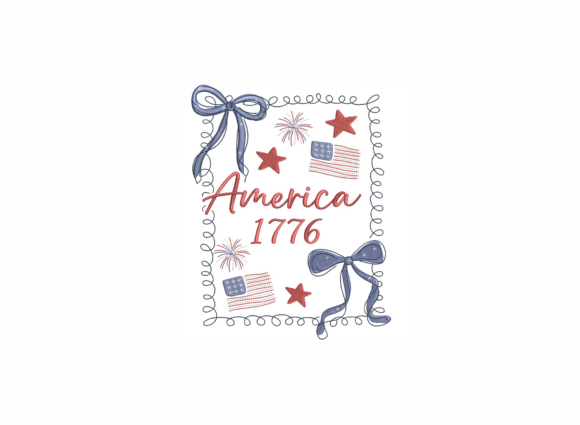
As an embroidery designer who has spent years navigating the highs and lows of weekend craft fairs, I know that a design is only as good as its ability to stop a shopper in their tracks. When I first loaded the America 1776 Coquette Bow Embroidery file onto my machine, I was immediately struck by how it bridges two distinct markets: the timeless patriotic spirit of Independence Day and the viral, soft-aesthetic "coquette" trend dominating social media right now. This is not just another flag motif; it is a strategic asset for any handmade shop owner looking to elevate their booth display this summer.
First Impressions: Where Elegance Meets Patriotism
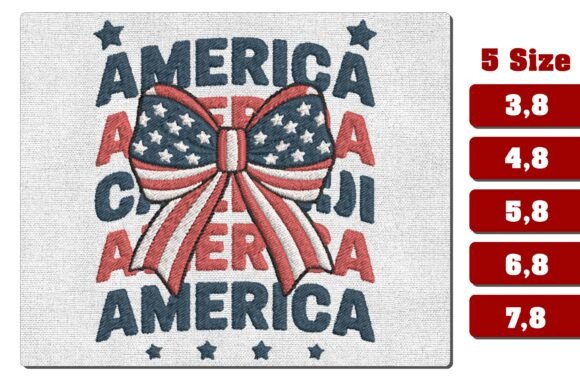
The initial visual impact of the America 1776 Coquette Bow Embroidery is one of refined charm rather than aggressive festivity. Unlike traditional bold eagles or block-letter slogans that can feel loud and dated, this design whispers sophistication. The integration of the bow element softens the historical weight of the "1776" text, creating a look that feels both modern and nostalgic. For the Etsy seller or boutique maker, this aesthetic signals quality. It suggests a product that is curated and thoughtful, appealing to customers who want to celebrate their heritage without sacrificing style.
In a crowded craft fair environment, where tables are often cluttered with generic red, white, and blue items, this design stands out because of its unique silhouette. It feels premium from the moment you see it on a screen, but the true test lies in how it translates to physical goods. My assessment is that this pattern works best when treated as a focal point that adds a touch of luxury to everyday items.
Product Performance Across Your Inventory
When planning my booth layout for the upcoming holiday season, I evaluated how the America 1776 Coquette Bow Embroidery performs on various substrates. Here is my breakdown of where this machine embroidery design truly shines:
- Tote Bags and Market Bags: This is arguably the strongest application. On a sturdy canvas tote bag, the bow detail catches the light beautifully, making the bag look like a high-end accessory rather than a simple grocery carrier. The contrast of the thread against natural cotton or linen creates a rustic yet chic vibe that sells itself.
- Kitchen Textiles: For tea towel embroidery and aprons, the design transforms functional items into giftable decor. An apron embroidery featuring this motif elevates a standard kitchen tool into a statement piece for a hostess. The coquette aesthetic fits perfectly with the current "farmhouse chic" interior trend, making these items highly desirable for home buyers.
- Embroidered Patches: If you are producing smaller accessories, turning this into an embroidered patch allows for versatility. Customers can sew them onto denim jackets, hats, or backpacks. However, care must be taken with sizing to ensure the bow details do not get lost.
- Caps and Pillows: While possible, curved surfaces like caps require careful testing. The hoop size and stabilizer choice become critical here to prevent puckering around the brim. Pillow covers work well for larger scale applications, allowing the design to breathe and showcase the intricate stitching.
Production Realities: What Works and What Doesn't
From a production standpoint, the America 1776 Coquette Bow Embroidery offers a balance of complexity and manageability. The design is detailed enough to command attention but generally structured for efficient batch production. However, as a professional, I must highlight specific areas where you need to exercise caution to maintain quality.
Stitch Density and Detail: The bow elements likely contain satin stitches that can be dense. If you are embroidering on thick fabrics like heavy canvas or textured towels, you risk the design feeling stiff or the fabric bunching up. Always run a test on scrap fabric first. Check the stitch density settings in your software; sometimes reducing the density slightly can improve the drape of the finished product while maintaining clarity.
Fabric Texture and Contrast: This design relies heavily on clean lines. Using it on highly textured fabrics, such as loop-back terry cloth, might obscure the finer details of the bow. Smooth cotton, linen, or twill are your best friends here. Additionally, consider your thread colors. While red, white, and blue are obvious choices, using metallic threads for the bow or a deep navy for the background can make the Independence Day theme pop with a more upscale finish.
Sizing Considerations: Do not shrink this design too much. The "1776" lettering and the loops of the bow need space to render correctly. If you attempt to use this as a tiny accent on a small pouch, the details may merge, resulting in a muddy look. Keep it as a medium-to-large focal design for the best results.
Maximizing Sales at the Craft Fair
The ultimate goal of any digital embroidery file is to generate revenue. The America 1776 Coquette Bow Embroidery excels in driving engagement because it appeals to emotion and aesthetics simultaneously. When setting up your table, create a dedicated section for these items. Use printable mockups to show potential buyers how the design looks in different colorways, even if you only have a few physical samples in stock.
For the small shop product creator, this design offers excellent brand consistency. You can use the same motif across a range of price points—from a $15 tea towel to a $40 embroidered tote—creating a cohesive collection that tells a story. Customers love buying a set, and having a recognizable design helps anchor your brand identity in their minds.
Furthermore, the "coquette" aspect taps into a massive online audience. When photographing your finished product for your Etsy listing or Instagram, focus on close-ups that highlight the texture of the thread and the elegance of the bow. High-quality images are essential for commercial embroidery success in the digital age. A well-lit photo showing the sheen of the thread against a rustic wooden background can significantly increase click-through rates.
Final Designer Notes for Success
Before you commit to a full production run, follow these practical steps to ensure your America 1776 Coquette Bow Embroidery products are flawless:
- Test Everything: Never skip the test stitch on the exact fabric and stabilizer you plan to use. Verify that the hoop size accommodates the design without distorting the shape.
- Check Licensing: Ensure your license allows for the sale of finished goods. As a digital seller, understanding the difference between personal and commercial use is vital to protect your business.
- Review Spacing: If you are adding other elements to your product, ensure there is enough negative space around the bow so it doesn't feel cramped.
- Create Mockups: Even before sewing, use design assets to visualize the final look. This helps in marketing and deciding which color combinations will sell best.
In conclusion, the America 1776 Coquette Bow Embroidery is a powerful tool for the modern crafter. It successfully merges the festive energy of July 4th with the delicate, feminine appeal of the coquette trend. By paying attention to fabric choice, stitch density, and presentation, you can turn this embroidery file into a top-selling craft fair product that stands out in a sea of competition. Whether you are selling handmade gifts or building a larger inventory, this design has the potential to become a signature piece in your collection.